Car Electrical Problems: Headlight, Indicator and Short Circuit Fixes
Introduction
A dead headlight, a failed turn signal, or a short circuit can leave you stuck fast, but these problems often have the same simple causes.
This car electrical problems guide helps drivers in the USA check the basics at home without guessing. In many cases, the fix comes down to a blown fuse, a bad bulb, corroded grounds, damaged wiring, or a weak battery.
The key is knowing what you can test safely and when it's time to stop before you make the problem worse. Next, we'll start with the most common checks and work toward the ones that take a little more care.
How car electrical problems usually show up
Electrical faults rarely fail in a neat, obvious way. A bad connection, weak bulb, blown fuse, or damaged wire can create a pattern that points to the real problem if you know what to look for.
The best clue is often how the fault behaves. A light that works one minute and fails the next tells a different story than one that is dead all the time. That pattern can save you from swapping parts at random.
Signs your headlight problem is more than a bad bulb
A dim headlight often points to more than bulb wear. It can mean a weak bulb, a poor socket connection, a corroded ground, or a voltage drop in the wiring. If the light is only slightly dim on one side, start with the bulb and socket before you chase deeper wiring issues.
One headlight out is another useful clue. If the bulb is fine, look at the fuse, relay, connector, or ground on that side. When both headlights go out, the problem is more likely upstream, such as the switch, relay, fuse, or a power feed.
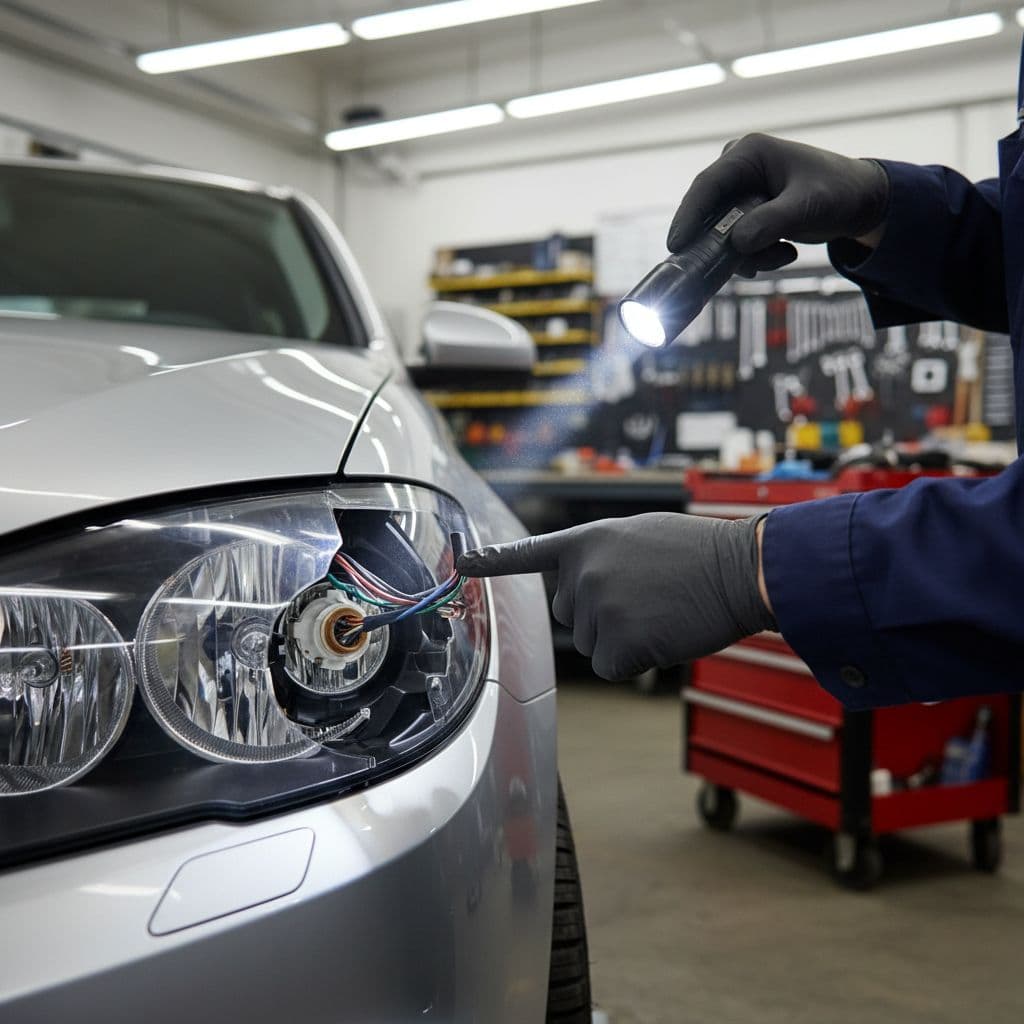
Flickering headlights often point to a loose bulb, a shaky socket, or a bad connection in the harness. Lights that only work when the switch is moved are also a warning sign. That usually means worn switch contacts, a loose connector, or broken wiring inside the column or dash area.
Headlights can fail on low beam, high beam, or both, and each pattern matters. If low beam fails but high beam still works, the bulb or low-beam circuit is a strong suspect. If both beams fail, the fault may sit at the fuse, relay, switch, or power supply.
How indicator failure looks on the road
Turn signal problems usually show up in a few clear ways. Fast blinking often means one bulb is burned out, the circuit has less resistance than expected, or a bulb type does not match the system. No blinking at all can point to a blown fuse, bad flasher relay, failed switch, or dead bulbs on that side.
Sometimes the indicator light stays solid instead of flashing. That often means the relay is not cycling or the circuit has an open fault. If only one side does not flash, check the bulb, socket, and wiring on that side before you suspect the whole system.
The dash arrow can help too. If the exterior light works but the dashboard indicator does not, the issue may be in the cluster or its wiring. If hazard lights behave differently from the turn signals, the hazard switch, flasher, or shared wiring may be involved.
If your vehicle has a trailer harness, do not ignore it. Bad trailer wiring can feed problems back into the turn signal circuit and cause strange behavior that looks unrelated at first.
When one lamp behaves differently from the others, the circuit is giving you a clue, not random noise.
Warning signs of a short circuit you should not ignore
A short circuit often starts with fuses that keep popping. Replace the fuse once, and if it blows again right away, stop there. A fuse is protecting the circuit, so repeated failure means something is drawing too much current or touching ground where it should not.
A burning smell is a serious warning. So is melted insulation, discolored connectors, or a relay that clicks and drops out again. These signs mean heat is building in the wiring, and heat can damage more parts fast.
Dead accessories can also point to a short. Power windows, lights, radio, or wipers may quit when a short takes out the shared feed or fuse. Sometimes the problem appears only after hitting a bump or turning the wheel, which points to a wire rubbing through insulation or a loose connector moving just enough to fail.
Before replacing the same fuse over and over, inspect carefully. A short circuit can create enough heat to melt wiring and raise fire risk. If you see damaged insulation, stop testing and trace the fault before you power the circuit again.
Start with the safest checks before you buy parts
Before you order bulbs, relays, or switches, start with the basics. A lot of car electrical problems come from weak power, poor contacts, or simple damage you can spot in minutes.
This order saves money because it helps you rule out the easy faults first. If the battery, fuses, and connectors are fine, then you can move on with more confidence.
Check the battery, terminals, and main grounds first
Low battery voltage can create strange electrical symptoms all over the car. Headlights may dim, indicators may blink too fast or too slow, and the problem can get worse when you start the engine. That extra load can expose a weak battery fast.
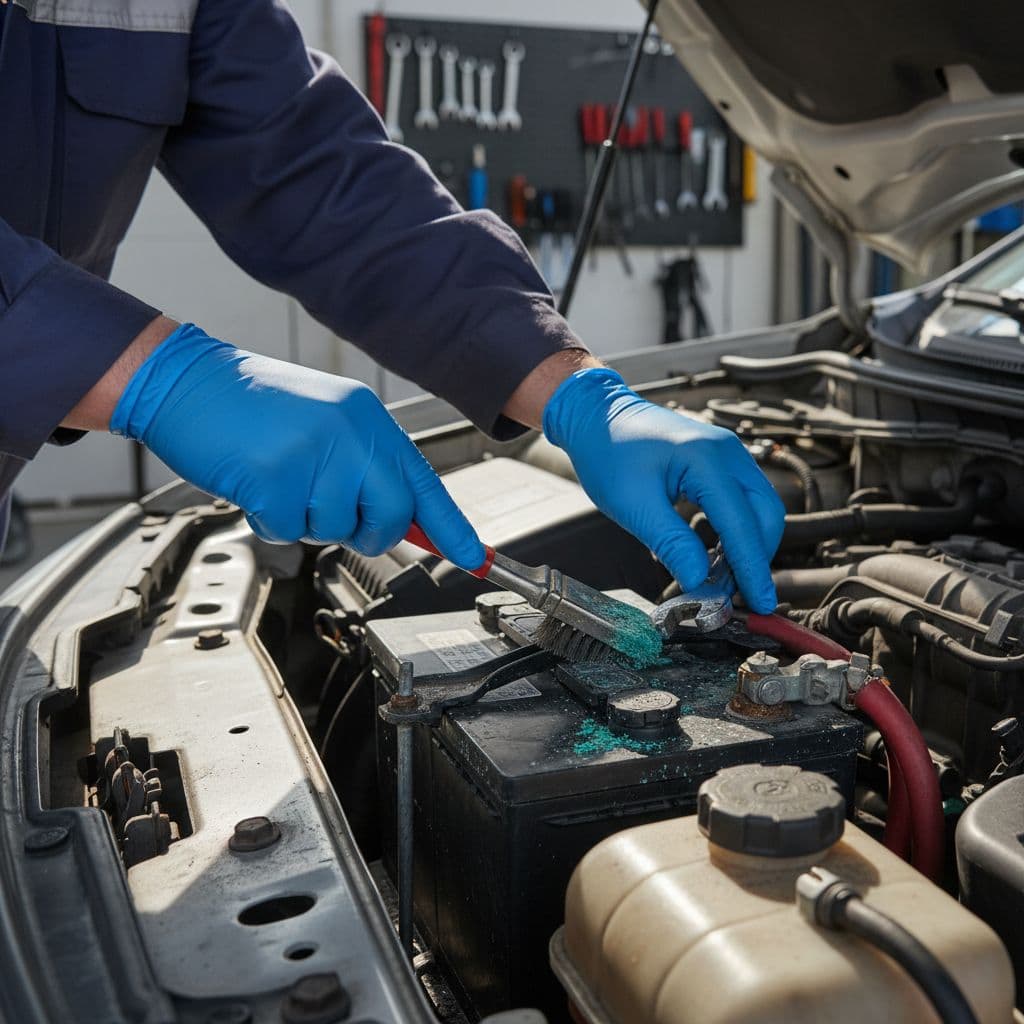
Start by checking the battery age if you know it. A battery near the end of its life may still crank the engine, but it can drop voltage under load and cause random-looking faults.
Then look at the terminals. Visible corrosion, loose clamps, and cracked cable ends all interrupt power flow. Clean, tight connections matter just as much as a charged battery.
Also check the main ground points on the frame or body. A poor ground can mimic a bad bulb, bad relay, or bad switch. If the ground strap is loose or rusty, the circuit may have power on paper but still fail in real use.
Inspect the fuse box and relay layout
Next, find the correct fuse box in the owner's manual and on the fuse panel cover. Many cars sold in the USA have more than one box, so do not guess. Check the diagram before you pull anything.
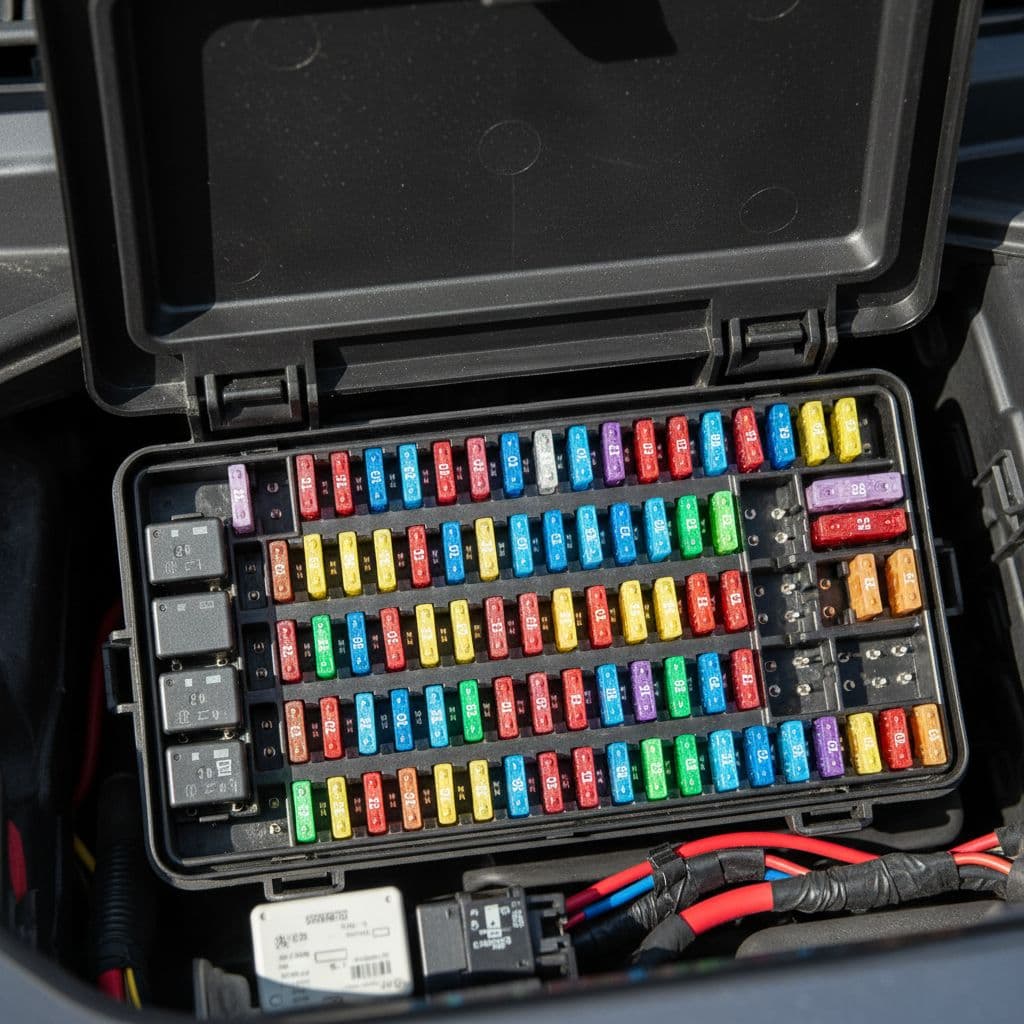
A blown fuse is easy to understand. The thin metal strip inside is broken, so the circuit loses power. A bad relay is different, because it may click without passing power, or it may fail silently and leave the circuit dead.
Use the correct fuse rating only. Never install a bigger fuse to "see if it holds," because that can let wiring overheat. While you are there, look for heat damage, darkened plastic, or melted areas around how-to-repair-any-bs6-bike-inthe fuse block. Those signs mean the problem may be bigger than a simple fuse swap.
Test the bulb, socket, and connector for simple damage
If the fuse and battery check out, move to the bulb assembly. Remove the bulb carefully, and avoid touching the glass on halogen bulbs with bare fingers. A greasy fingerprint can shorten bulb life.
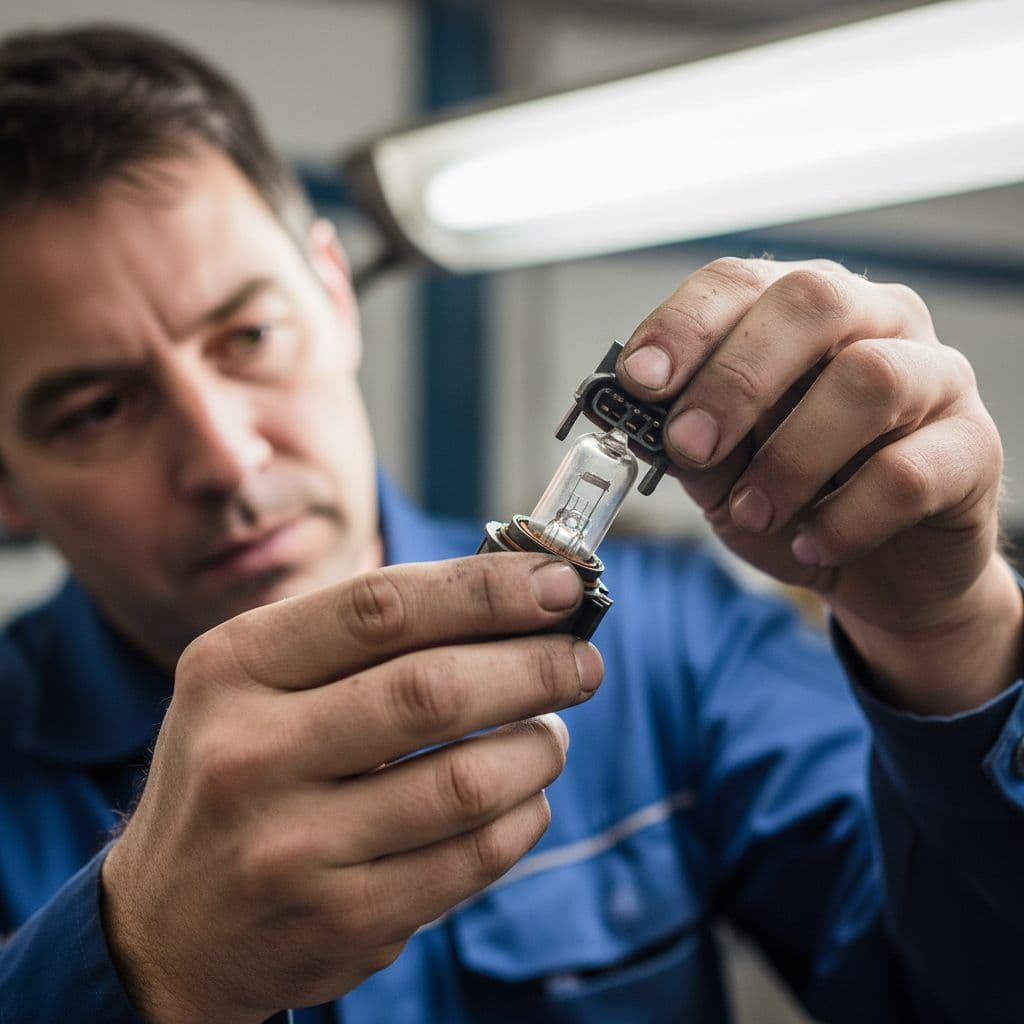
Look for a broken filament, blackened glass, or signs of moisture inside the housing. Water inside the lamp can corrode the socket and connector, then the problem comes back even after a new bulb goes in.
Check the connector for loose pins and green corrosion. A good bulb can still fail if the socket is burnt or the plug is loose. If the terminals look overheated, melted, or burnt, replace the damaged part before fitting another bulb.
A clean bulb in a damaged socket is still a bad circuit. That is why this step matters before you spend money on parts that may not fix the fault.


Comments